
Selling a Car That Needs Repairs: The Ultimate 2026 Australian Guide
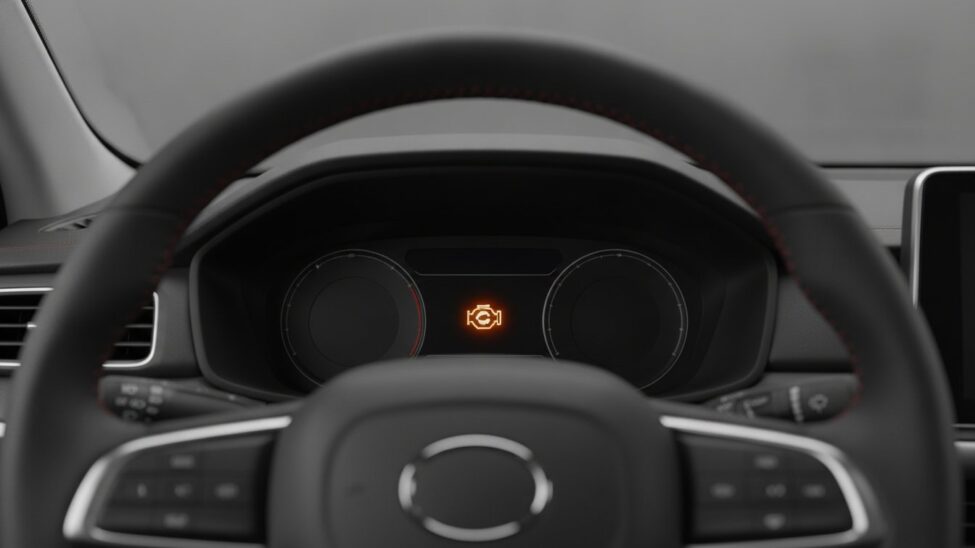
Spending thousands on a major mechanical overhaul might actually be the fastest way to lose money on your vehicle’s final sale. You’ve likely spent weeks staring at a dashboard warning light, wondering if you should fix the issue or just cut your losses. It is common to feel trapped by the sunk cost fallacy, especially when you’re worried about being ripped off by wreckers or facing aggressive complaints from a private buyer. If you are currently selling a car that needs repairs australia, you need a strategy that prioritises your time and your bank balance over expensive workshop labour.
This guide provides a clear path to offloading your damaged or non-running vehicle without the stress of pre-sale fixes. We’ll show you how to determine if repairs provide a genuine return on investment or if an “as-is” sale is your smartest move. You will learn to navigate 2026 Roadworthy Certificate requirements, such as the $102.70 safety certificate fee in Queensland or the $150 to $250 inspection costs in Victoria. We also outline your legal disclosure obligations to ensure a smooth, legitimate transaction. By the end of this article, you will know how to use tools like Value My Car to skip the private market and secure a fast, professional exit.
Key Takeaways
- Confirm your legal obligations regarding Roadworthy Certificates and mandatory disclosures to avoid post-sale disputes in your specific state.
- Identify the “repair trap” by calculating whether fixing your vehicle provides a genuine return or simply drains your bank balance.
- Explore the most efficient methods for selling a car that needs repairs australia, moving beyond low-value wreckers and high-stress private sales.
- Learn how to maximise your vehicle’s final price by leveraging detailed service history and transparent condition reporting.
- Access a professional network of used car buyers to facilitate a fast, “as-is” sale that bypasses the need for expensive mechanical work.
Table of Contents
Can You Legally Sell a Car That Needs Repairs in Australia?
Selling a vehicle with mechanical faults is entirely legal across all Australian states. The law does not require every car on the second-hand market to be in showroom condition. However, the legality of the transaction depends heavily on your transparency and the registration status of the vehicle. If you are selling a car that needs repairs australia, your primary legal hurdle is the Roadworthy Certificate (RWC) or Safety Certificate.
In most jurisdictions, you cannot transfer a registered vehicle to a private buyer without a valid RWC. As of July 2026, a Queensland Safety Certificate is set at $102.70. In Victoria, you should expect to pay between $150 and $250 for a standard inspection. If the car fails these tests, you must either pay for the necessary fixes or sell the vehicle without registration. This is a critical decision point for many sellers. Professional buyers often simplify this by purchasing vehicles “as-is”, which bypasses your need to secure these certificates yourself.
Private sales are generally conducted on an “as-is” basis. This means the Australian Consumer Law guarantees that protect buyers at licensed dealerships do not typically apply to private transactions. Statutory warranties are also absent in private deals. While the buyer has fewer automatic protections, you are still legally bound to be honest. Misrepresenting the car’s condition can lead to legal claims for breach of contract or misrepresentation.
Selling Without a Roadworthy Certificate (RWC)
If your car will not pass a roadworthy inspection, you can still sell it as a non-running vehicle or for parts. To do this legally with a private buyer, you usually must cancel the registration and remove the number plates before the sale. This shifts the burden of making the car roadworthy onto the new owner. Many sellers find this process tedious. Professional Used Car Buyers frequently handle these logistics, allowing you to sell the car in its current state without the paperwork headache of cancelling registration.
Disclosure Obligations: What You Must Tell Buyers
Honesty is your best legal defence. You must disclose “major failures” such as cracked engine blocks, transmission slippage, or significant structural rust. If a buyer asks a direct question about the mechanical state, your answer must be accurate. Failing to mention a known, significant defect that makes the car unsafe can result in the sale being voided. Disclosure in Australian private car sales is the act of proactively informing a potential buyer about all known mechanical, structural, or electrical defects before any money changes hands.
Evaluating the Cost: Should You Repair or Sell As-Is?
Deciding whether to invest in mechanical work before selling is a high-stakes calculation. Many sellers fall into the “repair trap” by spending $3,000 on an engine overhaul only to find it adds just $1,500 to the final sale price. This results in a net loss of $1,500 plus the stress of managing the workshop process. When selling a car that needs repairs australia, you must identify the tipping point. Generally, if the repair quote exceeds 50% of the vehicle’s current market value, fixing it is a poor financial decision. You are essentially paying retail prices for repairs to sell the car at a used market rate.
Professional buyers have a distinct advantage here. They operate with trade-only parts pricing and in-house labour rates that are significantly lower than what a retail customer pays at a local dealership. Because their costs are lower, they can often offer a price for your damaged car that is higher than what you would net after paying for repairs yourself. You also avoid the “time cost”. A car stuck at a mechanic for three weeks is a depreciating asset that you cannot list or sell, and in a fast-moving market, every day counts.
Common High-Cost Repairs in Australia
Certain failures are notorious for killing resale margins. Blown head gaskets, transmission slippage, and timing belt snaps often require specialist labour that can exceed $150 per hour. For European models, parts availability in 2026 can still be a bottleneck, leading to weeks of delays. Conversely, Japanese and Korean models usually have cheaper, more accessible components. Always compare the “as-is” market value against the “fully repaired” retail price before committing to major work. If the gap is small, the “as-is” exit is almost always superior.
The ROI of Minor vs. Major Repairs
Minor fixes often provide the best return. A cracked windscreen or worn tyres are “red flag” items that discourage private buyers and professional evaluators alike. Replacing these items is relatively cheap but removes a significant bargaining chip from the buyer’s hand. A car that looks well-maintained on the surface suggests the mechanical issues might be isolated rather than a sign of neglect. Before booking a mechanic, it is worth using Value My Car to see what your vehicle is actually worth in its current state.
| Repair Type | Estimated Retail Cost | Estimated Value Added |
|---|---|---|
| New Tyres (Set of 4) | $600 – $900 | $1,000+ |
| Windscreen Replacement | $300 – $500 | $800+ |
| Transmission Rebuild | $3,500 – $6,000 | $1,500 – $2,500 |
| Major Engine Repair | $4,000 – $8,000 | $2,000 – $3,000 |
The Best Ways to Sell a Damaged or Non-Running Vehicle
Choosing the right sales channel is as important as the price itself. When selling a car that needs repairs australia, you have four main options. Each comes with a specific trade-off between speed, effort, and final payout. Understanding these differences helps you avoid wasting weeks on dead-end inquiries. You need a method that matches the actual condition of your vehicle rather than its sentimental value.
Private sales are often a race to the bottom. You will spend hours answering messages from people who clearly haven’t read your detailed description of the transmission fault. Most private buyers are looking for a bargain they can drive away immediately. If your car requires a tow truck, your pool of potential buyers shrinks to almost zero. Similarly, traditional dealerships rarely want “projects.” Most trade-in departments will either refuse a car with major mechanical issues or offer a token amount that barely covers the scrap value. They want stock they can detail and sell within the week.
Car wreckers are a viable exit for “end-of-life” vehicles. If your car is over 15 years old or has been involved in a major accident, a wrecker provides a quick solution. However, they typically offer the lowest cash amounts because they value the car based on its weight in steel rather than its remaining parts. For vehicles that are still relatively modern but have a specific mechanical failure, Used Car Buyers represent the “Goldilocks” solution. They offer significantly more than wreckers because they have the infrastructure to repair and resell the vehicle professionally.
The Pitfalls of Private Classifieds for Broken Cars
Listing a faulty car on Facebook Marketplace or Gumtree often invites “tyre-kickers” and aggressive low-ballers. These buyers frequently show up only to complain about the very issues you disclosed in the ad, attempting to slash the price further. There are also genuine safety concerns. Inviting strangers to your home to inspect a non-running car in your garage is rarely a comfortable experience. You also bear the administrative burden and cost of organising a tow truck if the buyer decides to take the car but cannot drive it away.
Why Professional Buyers are the Efficient Choice
Professional networks provide a streamlined alternative to the chaos of the private market. The process is designed for speed, often resulting in cash for cars within 24 to 48 hours. You don’t need to worry about a Roadworthy Certificate or cleaning the car to a showroom standard. Because they buy “as-is,” the legal and mechanical risks transfer to them the moment the paperwork is signed. Choosing professional used car buyers is the most efficient way to exit a faulty vehicle without the typical stress of selling a car that needs repairs australia.
How to Maximise Value and Disclose Mechanical Issues Safely
Transparency is a powerful negotiation tool. When selling a car that needs repairs australia, surprises during a physical inspection usually lead to aggressive price haggling or the buyer walking away. Disclosing a transmission slip or an engine fault in the first paragraph of your advertisement establishes immediate trust. It filters out buyers who lack the resources to handle repairs and attracts serious leads who are specifically looking for “as-is” projects. This level of honesty protects you from post-sale legal disputes and ensures that every inquiry you receive is from someone who understands the vehicle’s true condition.
Presentation still dictates the perceived value of the vehicle. A car with a blown head gasket but a polished exterior looks like a fixable asset; a car covered in dust and interior clutter looks like a liability. Spend an hour washing the body and detailing the cabin. This effort suggests that while the mechanicals failed, you otherwise respected the car. Always obtain an impartial valuation before you start talking to potential buyers. Knowing your “floor” price prevents you from being bullied into a low-ball deal by aggressive wreckers or opportunistic private buyers. A well-presented car with a clear fault is much easier to sell than a neglected one.
Preparing Your Documentation
Buyers of damaged vehicles are naturally suspicious of a car’s history. Providing a car service history check proves that you maintained the vehicle before the current fault occurred. Stamped logbooks or a simple folder of past workshop invoices can add hundreds of dollars to your final offer. It shows the buyer exactly which parts are new and what risks remain. You should also have a Personal Property Securities Register (PPSR) report ready. This confirms the car has a clear title and isn’t a repairable write-off. Professional buyers value this paperwork because it reduces their risk and speeds up the transfer process.
Photography Tips for Damaged Vehicles
Clear photos are your best defence against time-wasters. Don’t try to hide a dent or a visible oil leak; photograph it clearly from multiple angles. This builds immediate credibility and ensures the buyer’s offer is realistic. Balance these shots with photos of the vehicle’s high-value features. Highlight high-tread tyres, a clean leather interior, or modern dash features like Apple CarPlay. These components retain value regardless of the engine’s state. Take high-resolution photos of the VIN plate and the odometer as well. Accurate mileage and identification allow professional networks to provide a precise quote without needing multiple follow-up questions or a physical inspection.
Use My Car Value to Find Professional Buyers Fast
My Car Value acts as the essential link between private sellers and a vetted network of professional purchasers. We have removed the traditional friction associated with selling a car that needs repairs australia. Instead of managing dozens of low-quality inquiries or paying for expensive mechanical work to satisfy a private buyer, you can leverage our platform to find a strategic exit. Our system is designed for speed and transparency, ensuring you don’t get stuck in the repair trap or settle for the bottom-dollar offers typical of local wreckers.
The path to a successful sale follows a methodical three-step process. First, you obtain an accurate market valuation based on the current state of your vehicle. Second, we connect you with Used Car Buyers who specialise in purchasing vehicles “as-is.” Finally, you review the competitive offers and finalise the transaction. This workflow allows you to sell my car without ever leaving your house or booking a single workshop appointment. It is a modern, data-driven approach to a process that used to take weeks of stressful negotiation.
Accurate Valuations for Imperfect Cars
General pricing guides often fail when a vehicle has significant mechanical or structural issues. They provide a theoretical “perfect condition” price that doesn’t reflect the reality of the 2026 market. Our vehicle market value calculator considers real-world buyer appetite for faulty vehicles. We look beyond basic estimates to provide a figure that accounts for repair costs and salvage potential. This ensures you start your sales journey with a realistic “floor” price, protecting you from making a loss on your asset.
National Reach, Local Professional Buyers
Our network provides comprehensive coverage across the country. Whether you are located in Sydney, Melbourne, or Brisbane, we connect you with local professionals ready to handle the logistics of a damaged car sale. These buyers are equipped to manage towing and registration transfers, removing the administrative burden from your shoulders. You get a competitive, professional offer regardless of whether the engine starts or the transmission is shot. Stop worrying about the mechanical state of your vehicle and start focusing on your next move.
Secure Your Strategic Exit Today
You now have a clear framework to avoid the repair trap and make an informed decision about your vehicle’s future. This guide has demonstrated that while minor cosmetic fixes can boost appeal, major mechanical overhauls often result in a net financial loss for private sellers. Successfully selling a car that needs repairs australia requires a shift in focus from the workshop to the marketplace. By prioritising transparency and accurate documentation, you protect yourself from legal disputes and ensure a smoother transaction.
Leveraging transparent market data for 2026 allows you to bypass the persistent stress of private tyre-kickers and the insultingly low offers from local wreckers. Connecting with a national network of professional Australian buyers ensures your offer reflects the true salvage or repair potential of the car. This methodical approach removes the complexity of the traditional sales process and allows you to transfer all mechanical risks to the experts. You can finally stop worrying about dashboard warning lights and start planning your next purchase.
Take the first step toward a hassle-free sale and reclaim your time. You deserve a fast, professional experience that values your asset fairly and moves as quickly as you do.
Frequently Asked Questions
Can I sell a car that doesn’t start in Australia?
Yes, you can sell a non-running vehicle in Australia. Most sellers choose to sell “as-is” to professional buyers who can manage the towing and salvage process. If selling privately, you must disclose the fault and likely cancel the registration first. Professional networks specialise in these vehicles, offering a faster exit than the private market where non-starters are notoriously difficult to move.
Is it worth fixing a blown head gasket before selling?
It is rarely worth fixing a blown head gasket before a sale. The high cost of labour and parts often exceeds the value the repair adds to the vehicle, meaning you will likely lose money on the transaction. When selling a car that needs repairs australia, it is more financially sound to deduct the repair cost from your asking price and sell the vehicle in its current state to a professional buyer.
Do I need a Roadworthy Certificate to sell my car for cash?
You don’t need a Roadworthy Certificate (RWC) if you sell your car to a professional buyer or as an unregistered vehicle. For private registered sales, an RWC is a legal requirement in most states. Selling to a professional network bypasses this hurdle. These buyers are equipped to handle the certification and mechanical work themselves after the purchase is finalised and the vehicle is collected.
How much is my car worth if it needs a new engine?
A car needing a new engine is typically valued at its fair market price minus the retail cost of a replacement engine and labour. Buyers also factor in a risk margin for other potential mechanical issues. To get a realistic figure, use a professional valuation tool that considers the current demand for your specific make and model in the Australian second-hand market rather than relying on generic scrap estimates.
Can I sell a car with a ‘blown’ transmission to a dealer?
Most traditional dealerships will refuse a car with a blown transmission or offer only a nominal scrap price. They prefer floor-ready stock that requires minimal reconditioning. A better alternative is a specialist used car buyer. These professionals have the infrastructure to rebuild transmissions at trade rates. This allows them to offer you a more competitive price than a standard dealer trade-in would provide.
What happens to my insurance if I sell a damaged car?
You should maintain your insurance coverage until the moment the sale is finalised and the buyer takes possession of the vehicle. Once the paperwork is signed and the car is collected, contact your insurer to cancel the policy or transfer it to a new vehicle. If the car is non-running and parked on a public road, keep it insured against third-party damage or theft until it is towed.
Should I sell my car for scrap or to a professional buyer?
You should sell to a professional buyer if your car is a relatively modern model with a specific mechanical fault. Wreckers pay “scrap” prices based on metal weight, which is usually the lowest possible offer. Professional buyers value the remaining components and the potential for refurbishment. This often results in a significantly higher payout than a scrap yard would provide for a complete, albeit faulty, vehicle.
What paperwork do I need to sell a car with mechanical issues?
You need proof of ownership, a current PPSR report, and any available service history. While selling a car that needs repairs australia, it is also vital to provide a written contract of sale. This document should clearly state the vehicle is being sold “as-is” with known faults. This protects you from future claims and ensures both parties agree on the vehicle’s condition at the time of transfer.