
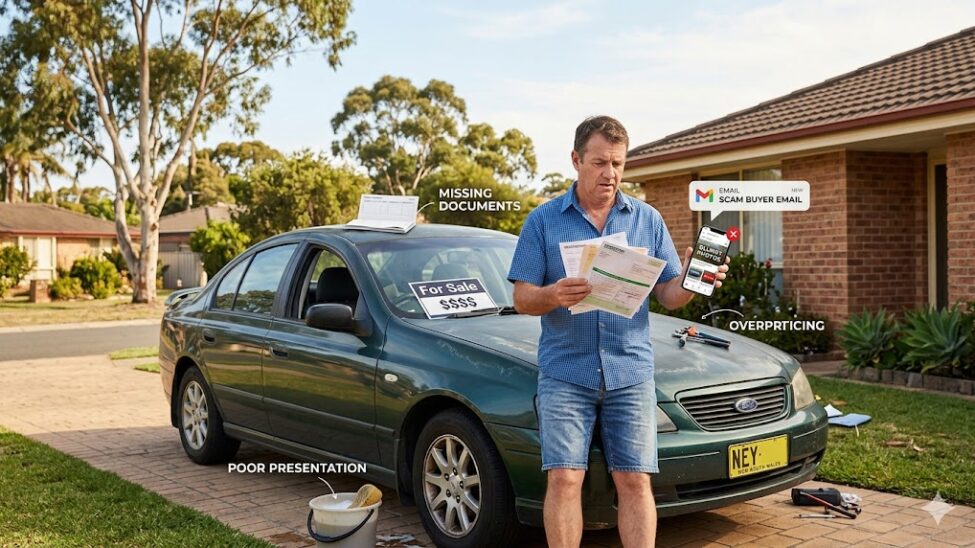
The 7 Biggest Mistakes Australians Make When Selling Their Old Car
Most Australians only sell a car every few years, which means most of us are flying blind when we do. We don’t know the market, we don’t know what the car is worth, and we certainly don’t know all the paperwork we’re supposed to hand over at the end.
The result? Sellers consistently leave money on the table, or worse, expose themselves to legal and financial headaches after the sale.
Here are the seven most common mistakes — and what you should do instead.
Mistake 1: Not Knowing What Your Car Is Actually Worth Before You List It
This is the foundation mistake that all the others tend to flow from. If you don’t know what your car is worth, you have no frame of reference for evaluating offers — which means you’re just hoping that whoever makes you an offer is being honest.
A lot of sellers base their asking price on what similar cars are listed for on Carsales or Facebook Marketplace. This is a reasonable starting point, but listed prices are not sold prices. The gap between what sellers ask and what buyers actually pay can be significant — often 10–20% for older or high-kilometre vehicles.
Before you list or accept any offer, get an independent valuation. My Car Value’s instant quote tool gives you a real market figure based on your specific vehicle — not a generic estimate.
| ✅ Know your number before you start. An informed seller is a confident seller. |
Mistake 2: Accepting the First Offer
The first offer you receive is rarely the best one. This applies whether you’re selling privately, through a dealer, or to a car buying service. Buyers — especially dealers and wreckers — typically make a lower opening offer to test how motivated the seller is.
The fix is simple: get at least two or three offers before you make a decision. Even if you ultimately accept the first offer, knowing what others are willing to pay gives you negotiating leverage — or at least the peace of mind that you’re not being taken advantage of.
Mistake 3: Skipping the Paperwork
This is one that comes back to bite sellers. In Australia, the paperwork requirements for a private vehicle sale vary by state, but they generally include:
- A completed transfer of registration form (requirements differ by state)
- A receipt or contract of sale with both parties’ details
- A roadworthy or safety certificate (required in VIC, QLD, and other states in certain circumstances)
- Notice of disposal to your state’s road authority
The most common problem sellers face is not notifying their state authority of the sale in time. If the new owner is fined for parking or traffic offences after the sale — before they’ve registered the car in their name — those fines can come back to you if you haven’t properly recorded the change of ownership.
Always complete the paperwork on the day of sale. Don’t hand over the keys until the transfer paperwork is signed and submitted.
Mistake 4: Selling Without Checking for Finance Owing
If your car has money owing on it — from a car loan, novated lease, or chattel mortgage — that encumbrance is registered on the PPSR and follows the vehicle, not the owner. A buyer who discovers after the purchase that there’s finance owing on the car can have the car repossessed by the lender, leaving both parties in a very difficult position.
Before selling, check the PPSR (ppsr.gov.au) and your loan balance. If there’s finance owing, you’ll need to pay it out before or at the time of sale. Some buyers will handle this directly, but you need to be upfront about it from the start.
Mistake 5: Overpricing and Sitting on the Market
Sellers often price their car at what they need it to be worth — based on what they paid for it, what they still owe, or what they’d like to buy next — rather than what the market will actually pay.
The problem with overpricing is that it wastes time. A car listed at 20% above market value will sit unsold for weeks or months. Enquiries dry up. The listing goes stale. And eventually, you drop the price anyway — often below where you should have started, because motivated buyers sense desperation in a price reduction.
Price realistically from the start, based on real market data. A quick sale at market price is almost always a better outcome than a long, stressful private sale that eventually settles for less than market anyway.
Mistake 6: Presenting the Car Poorly
Photos and presentation have an outsized impact on the price a car achieves, particularly in private sales. A clean, well-photographed car will attract more enquiries at a higher price point than an identical car that’s dusty inside and photographed in bad lighting.
Before listing privately — or even before getting a quote — it’s worth spending an hour or two on:
- A thorough clean inside and out (or a professional detail for higher-value vehicles)
- Removing all personal items from the interior
- Taking photos in good natural light, from multiple angles, including the interior, engine bay, and boot
- Being honest but neutral in the description — highlight the positives, disclose the negatives without dwelling on them
For sellers using a car buying service rather than selling privately, presentation matters less — buyers assess on condition rather than aesthetics — but a clean car still makes the process smoother.
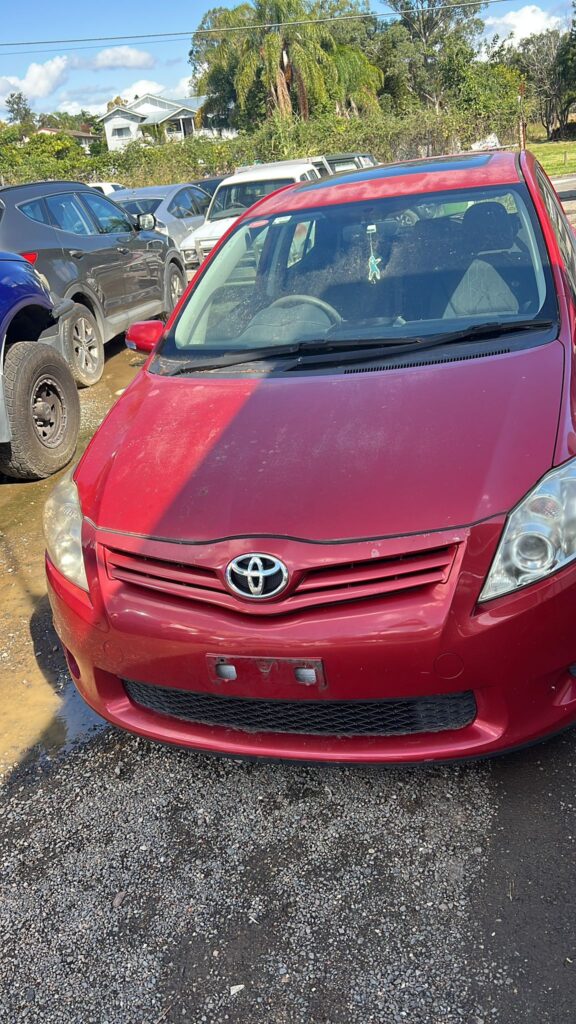
Mistake 7: Selling an Unregistered Car Without Proper Disclosure
Selling an unregistered car is perfectly legal in Australia, but you must disclose the unregistered status to the buyer. Some sellers downplay or omit this information, which creates real problems.
An unregistered car cannot be driven on public roads. A buyer who doesn’t know this may drive it home from the sale — which is illegal — and then discover the registration lapsed or was cancelled. If there’s an accident or fine during that time, the liability question becomes complicated.
Unregistered cars have lower market value than equivalent registered vehicles, but they do sell — especially to buyers who are happy to re-register them. Be upfront, price accordingly, and make sure the transfer paperwork reflects the unregistered status.
| Most of these mistakes come down to the same thing: being underprepared. Spend an hour researching your car’s value, the paperwork requirements in your state, and your options before you start the selling process. It will save you time, money, and headaches. |
| ✅ Use My Car Value to get an instant, obligation-free quote for your old car — no private sale hassle required. |