
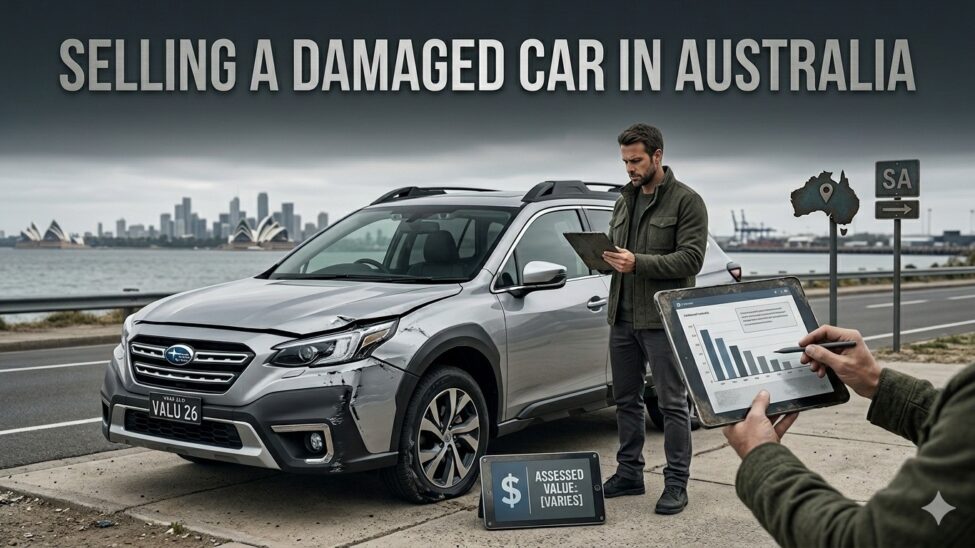
Selling a Damaged Car in Australia – What You Need to Know Before You Sell
A damaged car can feel like a problem without a solution. Whether it’s been in an accident, written off by an insurer, or sitting in your driveway after flood damage, working out what to do with it — and who will give you a fair price — is genuinely confusing.
The good news is that damaged cars do have value. The bad news is that without knowing the market, it’s easy to accept an offer that’s well below what the vehicle is actually worth. This guide gives you the full picture.
What Types of Damaged Cars Can You Sell in Australia?
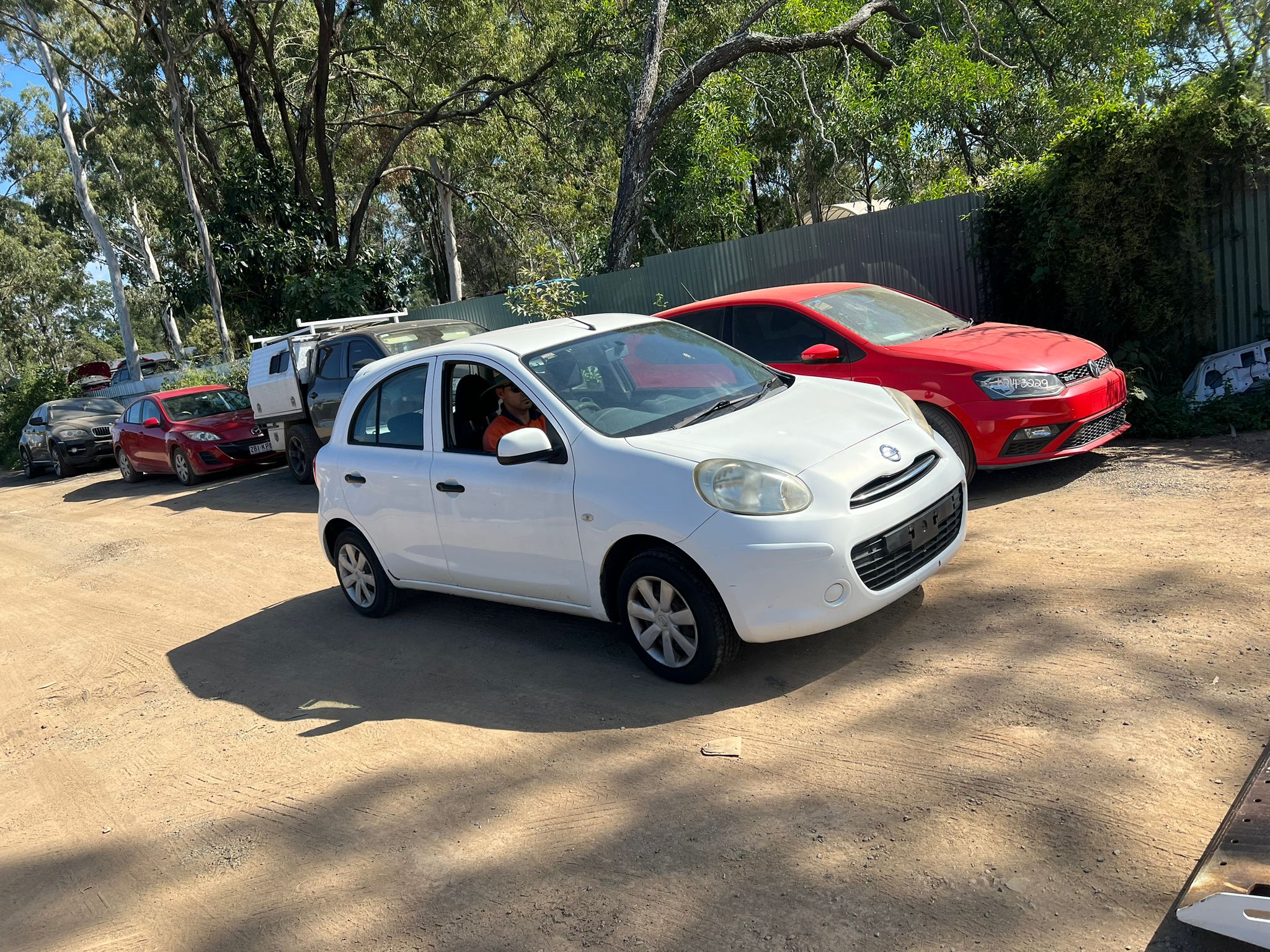
When people talk about a “damaged car” they usually mean one of the following:
Accident-Damaged Vehicles
These are cars that have sustained structural or mechanical damage in a collision. The extent of the damage varies enormously from a minor rear-end that crumpled a bumper, to a front-end collision that wrote off the engine bay.
Whether an accident-damaged car is worth repairing or selling as-is depends on the repair cost relative to the car’s market value. A rough rule: if repairs are going to cost more than 60–70% of the car’s market value, selling it damaged is almost always a better financial decision.
Flood-Damaged Vehicles
Australia has seen a significant number of flood events over the past several years, and flood-damaged vehicles are a real and growing category. Flood damage is particularly tricky because the visible damage is often minor while the long-term electrical and mechanical consequences can be severe.
Buyers particularly private buyers are cautious about flood-damaged cars. This limits your audience. Specialist buyers and wreckers, however, assess flood-damaged vehicles on their actual condition and parts value.
Written-Off Vehicles
In Australia, a car can be classified as written-off in two ways:
- Statutory write-off (also called a total loss): The vehicle is deemed so severely damaged that it cannot legally be re-registered in any Australian state or territory. These vehicles can only be sold for parts or scrap.
- Repairable write-off: The vehicle has been assessed as uneconomical to repair by an insurer, but it can legally be repaired and re-registered. These cars can still be sold, but buyers must be fully informed of the write-off status.
Both types of write-off are recorded on the Personal Property Securities Register (PPSR). Any buyer or dealer will check this before making an offer.
Mechanically Damaged or Non-Running Vehicles
Some vehicles aren’t crash-damaged but have significant mechanical faults — a blown engine, failed transmission, or major electrical issues. These cars are often described as “project cars” in private sales, but for many sellers, the better option is a direct sale to a buyer who values them for parts or rebuilding.
What Is a Damaged Car Worth in Australia?
This is the question every seller wants answered, and the honest truth is that it depends on several overlapping factors:
- The extent and type of damage — a crumpled bonnet is very different from a bent chassis
- The make, model, and year — high-demand vehicles retain more value even when damaged, because parts and rebuild potential are stronger
- Whether the vehicle is still running or not — a non-running car is worth less but still has real value
- The write-off status — a statutory write-off has a lower ceiling than a repairable write-off
- Current scrap metal prices — for vehicles with no useable parts, the scrap value provides a floor price
As a rough guide, accident-damaged vehicles that are still driveable typically sell for 30–60% of their market value in undamaged condition. Non-running or severely damaged vehicles sell for 10–40% of their undamaged value, depending on parts demand and scrap rates.
| These percentages are estimates. The only way to know what your specific damaged car is worth today is to get a real quote from a buyer who has actually assessed the vehicle. |
Who Buys Damaged Cars in Australia?
Several categories of buyers purchase damaged vehicles, and they value them differently:
Insurance Companies
If your car was damaged in an at-fault accident and you have comprehensive insurance, your insurer may take ownership of the vehicle after paying out your claim. If the car is repairable, they may repair and sell it. If it’s a total loss, they’ll sell it to a wrecker or auction house.
Specialist Car Buyers (Like My Car Value)
Services like My Car Value purchase damaged vehicles directly from owners — accident-damaged, flood-damaged, written-off, and non-running. The process is straightforward: you provide details about the vehicle, receive an instant offer, and if you accept, the car is collected and payment is made. No dealing with multiple parties or waiting for auction results.
Wreckers and Dismantlers
Auto wreckers purchase vehicles primarily for their parts value. A damaged car that would cost $15,000 to repair might have parts worth $8,000–$12,000 when dismantled and sold individually. Wreckers base their offers on their assessment of which parts are salvageable and what demand exists for them.
Private Buyers and Rebuilders
Some buyers specifically seek out repairable write-offs or damaged vehicles to restore. This market exists, but it’s narrow. Listing a damaged car privately can work, but expect significantly more time and effort than a regular private sale — and be prepared for lowball offers from people who know you may be motivated to sell.
Your Legal Obligations When Selling a Damaged Car in Australia
Regardless of who you sell to, there are important legal obligations:
Disclose the Damage
Australian consumer law requires sellers to be truthful about a vehicle’s condition. Deliberately concealing known damage — particularly write-off status — can expose you to legal liability after the sale. Always disclose what you know.
Check the PPSR Before You Sell
The Personal Property Securities Register (PPSR) records write-offs, finance encumbrances, and stolen vehicle reports. Before selling, check that the vehicle’s status is accurately recorded. This protects both you and the buyer.
Transfer Registration or Cancel It
When you sell the vehicle, you’ll need to transfer or cancel the registration. Requirements vary by state, but in most cases you’ll need to notify your state’s road authority of the change of ownership.
Don’t Sell a Statutory Write-Off as Roadworthy
A vehicle classified as a statutory write-off cannot be re-registered in any Australian state or territory. Selling it as anything other than a parts car or scrap vehicle — or misrepresenting it as a repairable write-off — is illegal.
How to Avoid Getting Lowballed When Selling a Damaged Car
The damaged car market is one where uninformed sellers consistently receive less than they should. Here’s how to protect yourself:
- Know your write-off status before you start. Check the PPSR yourself so you know exactly what category the car falls into.
- Get multiple offers. Don’t accept the first quote. Compare what different buyers are offering for the same vehicle.
- Understand parts value. For popular makes and models, research what individual parts sell for. This gives you a sense of what a wrecker’s margin looks like and helps you push back on very low offers.
- Be upfront but not desperate. Buyers can sense when a seller is motivated to get rid of a vehicle quickly and will adjust their offer accordingly. Stay calm and treat it as a business transaction.
- Use a specialist service. My Car Value specialises in damaged vehicles and provides instant, transparent offers. You’re not leaving value on the table by accepting the first low offer from an uninformed buyer.
| ✅ Get a fair, instant offer for your damaged car at My Car Value. We buy accident-damaged, flood-damaged, and written-off vehicles across Australia. |